Introduction: A Crisis Triggered by One Sentence
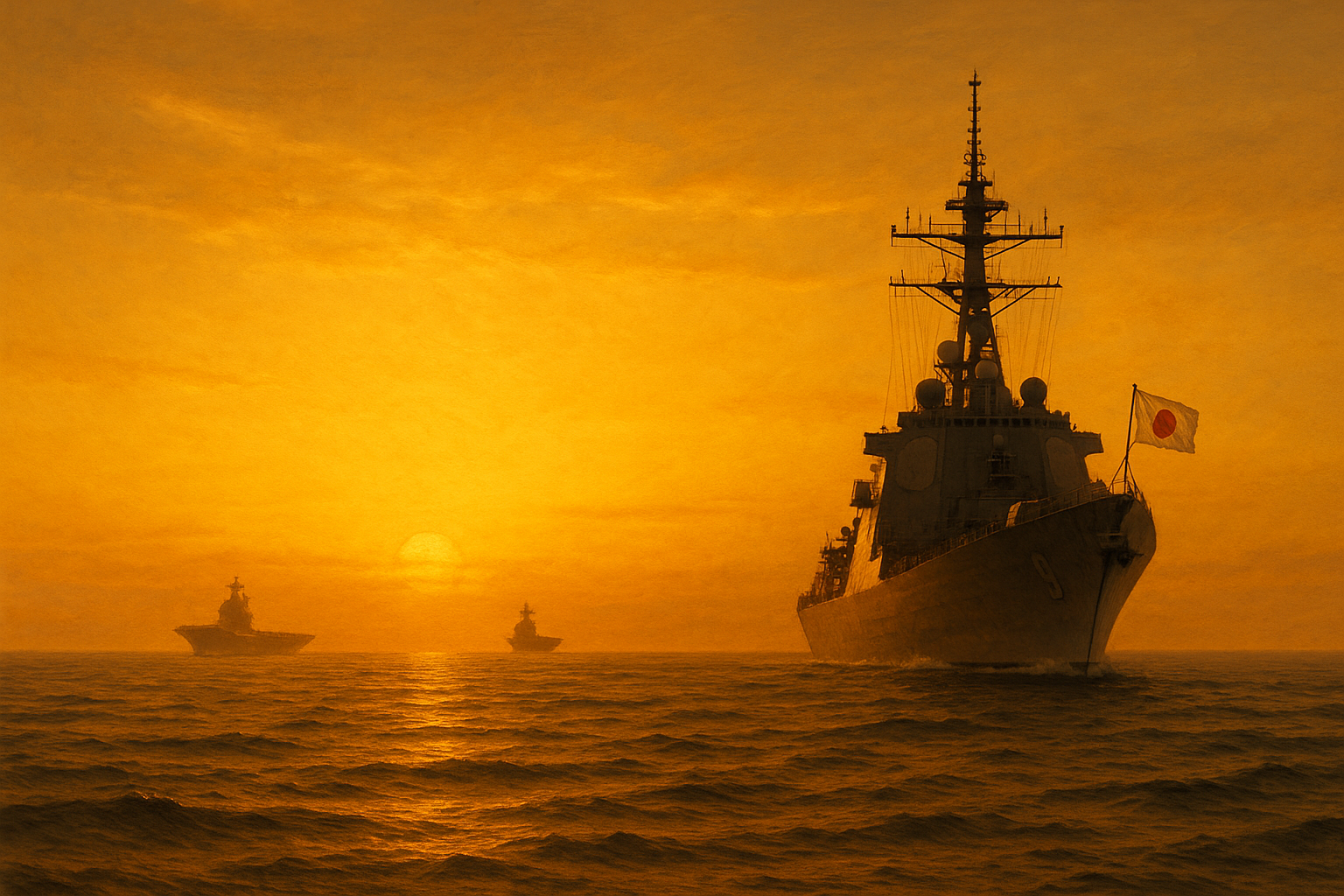
In late 2025, relations between Japan and China were shaken by a brief but explosive remark in the Diet by Takaichi Sanae.
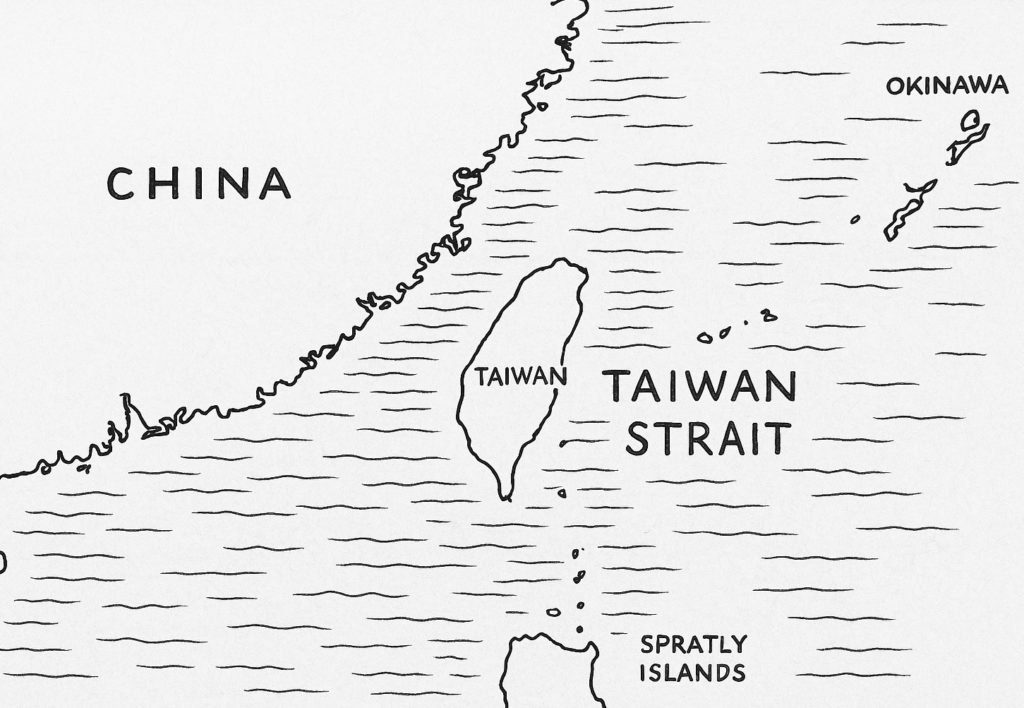
Her statement, that a Taiwan contingency could constitute a “survival-threatening situation” under Japan’s security laws was not unusual within Japanese domestic discourse.
But for Beijing, it struck at the diplomatic architecture that has kept the peace for half a century.
The BBC captured why the remark provoked a fierce response:
“Takaichi’s comment violated the fragile and deliberate ambiguity that has governed Japan–China–Taiwan relations since 1972.”
That is the core of the current crisis.
1. The Architecture of Ambiguity
Japan’s stance on Taiwan is not unclear.
It is deliberately and structurally ambiguous.
When Japan normalized relations with China in 1972, it chose the phrase:
“understand and respect” China’s position on Taiwan
To not agree, not recognize.
This was intentional.
It mirrors the U.S. term acknowledge, forming what diplomats call constructive ambiguity:
a design allowing practical cooperation without touching either side’s core claims.
To understand why Japan had to choose such wording, consider the legal sequence:
- Cairo Declaration (1943): Stated Taiwan would return to China (ROC).
- Potsdam Declaration (1945): Required Japan to accept Cairo (Art. 8).
- San Francisco Peace Treaty (1951): Japan renounced sovereignty over Taiwan but did not specify the recipient.
- Japan–China Joint Communiqué (1972): Normalization based on this legal position.
By accepting Potsdam, Japan effectively surrendered the authority to determine Taiwan’s legal destination.
Thus Japan’s consistent position emerged:
The Taiwan question is China’s internal affair.
Japan does not possess the “freedom not to recognize” Taiwan’s status.
It carries an obligation not to certify it.
This is the very heart of the system.
2. Why China Reacted So Fiercely
From Beijing’s viewpoint, the remark by Takaichi Sanae triggered three red lines at once:
- internal interference
- sovereignty
- historical denial
And because the statement came from a politician who has repeatedly visited
Yasukuni Shrine,
Beijing’s psychological layers fused:
“A denial of the past, combined with a signal of intervention in the future.”
This past × future structure explains the intensity better than surface level theatrics.
3. Japan’s Domestic Drift: The Psychology of Invasion
Inside Japan, a powerful shortcut has taken hold:
Taiwan contingency → China attacks → Japan is invaded
The visceral shock of the Ukraine war amplified this chain.
But this domestic narrative has almost nothing to do with the structure of Beijing’s anger.
Instead, it creates a politically convenient environment:
- Bureaucrats struggle to defend the traditional shelving(棚上げ) approach.
- Experts avoid political landmines.
- Media amplifies defense narratives without explaining the legal foundations.
Thus debate accelerates while its foundations remain unexamined.
4. A Glimpse Inside Diplomacy
After the remark, Japan rushed senior officials to Beijing.
A video circulated showing a Chinese bureau chief standing casually with hands in pockets, while the Japanese side bowed deeply.
Some Japanese viewers criticized it as disrespectful.
But the likely reality was far more nuanced.
Both sides understood the historical gravity.
The Japanese official might have been saying:
“We understand the seriousness. Please help us de-escalate.”
And the Chinese counterpart’s posture likely meant:
“Yes, this is serious. Let’s manage it calmly together.”
Far from confrontation, it resembled quiet professional solidarity, two diplomats trying to protect an architecture both fully understand.
5. Core Insight:
Past Problems + Future Problems = One Structural Constraint
To resolve the misalignment, the two layers must be connected:
- Past issues: war memory, responsibility, Yasukuni
- Future issues: Taiwan’s legal status, limits of intervention
They fuse at one point:
Japan is legally prohibited from entering the Taiwan issue.
This is why China reacted so strongly—and why dialogue now spins in circles.
6. What Japan Must Reaffirm
1. Understand the legal limits
Any discussion of defense must include the legal boundaries Japan cannot cross.
2. Recognize how history is read abroad
Yasukuni visits cannot be framed solely as domestic cultural events.
3. Rebuild public knowledge
Media and experts must present structures, not emotional shortcuts.
Our wish to maintain friendly relations with all countries begins with recognizing the architecture we inherited—and the responsibilities that come with it.
Epilogue: A Note of Self-Reflection
Several nuances deserve reflection:
- The exact legal force of Cairo and Potsdam is debated. Ambiguity, once embedded, inevitably becomes a seed of future discord.
- Regarding the San Francisco Peace Treaty:
It is accurate that Japan lacked the authority to specify Taiwan’s recipient at the time of the treaty’s conclusion.
Some may find this categorical, yet this absence of authority shaped the very structure we live with today. - On Japan’s domestic “psychological shortcut”:
My concern is the uncritical importation of analogies from distant conflicts.
Without understanding the histories of our neighbors—and our own—oversimplification is unavoidable.
Even self-critique can drift toward dogmatism.
I remind myself to stay alert to that risk.